How to Set Up a QR Code Menu for a Small Restaurant Free (Step-by-Step)
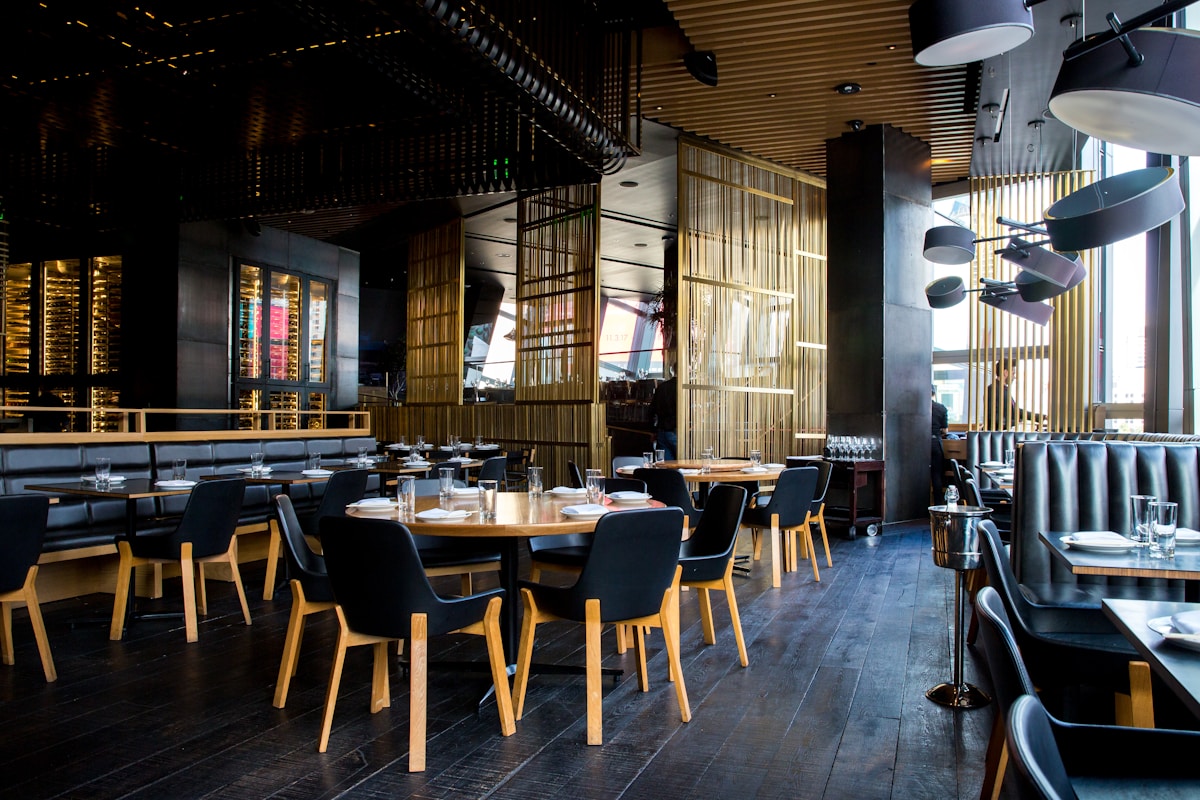
- Primary Signal: How to Set Up a QR Code Menu for a Small Restaurant Free (Step-by-Step)
- Overview: A QR code menu ends the reprint cycle for small restaurants: update the menu once online and every table shows the new version. This step-by-step guide covers hosting the menu, sta...
- Verification: Analyzed and compiled by FreeSky GeoData editorial monitoring desk.
Every small restaurant knows the reprint cycle. Prices change, a supplier drops a dish, a seasonal special arrives, and the stack of printed menus is suddenly wrong. Reprinting costs money and time, and the old menus usually go straight into recycling. A QR code menu breaks that cycle: guests scan a code on the table and open the current menu on their own phone. When the menu changes, you update it once online and every printed code shows the new version. For a small restaurant or cafe, the whole setup can be free and live in under an hour.
A QR code is just a shortcut to a web page, so the menu itself comes first. You do not need a website or a designer. A single-page document works well: write out your categories, dishes, short descriptions, and prices, and keep it to a length a phone screen can handle comfortably. A short PDF, a Google Doc set to anyone with the link can view, or a free digital menu tool all work. Avoid scanned photos of a paper menu if you can, because phone screens make small print hard to read and the text cannot be searched. Keep prices current and mark sold-out items clearly, since a guest who orders something you no longer serve will be disappointed twice.
This is the decision that saves you reprints later. A static QR code points directly at one file or link, so if that link changes, the printed code breaks and you reprint everything. A dynamic code points at a redirect you control, so you can swap the destination behind it whenever the menu changes while the printed code stays the same. Many free tools offer dynamic codes, and some charge a small fee for them. If you plan to update the menu more than a couple of times a year, a dynamic code is worth it. If your menu almost never changes, a static code costs nothing and cannot be switched off by a provider.
Once the menu link is ready, paste it into a QR generator, download the code as a high-resolution PNG or SVG, and print it on table tents, laminated cards, or a window decal. Print the code at least three to four centimetres across so a phone camera can read it from a seated position, and keep strong contrast between the code and its background. Add a short label under it, such as scan for our menu, because not every guest will guess what the code does. Print one test copy first and scan it yourself in your actual evening lighting, from a real table, before you print the full batch. A code that looks fine on a bright screen can fail under warm restaurant lights.
Table tents and small standing cards work best, because guests see them while they sit down and decide. Add the code to the front window and the takeaway counter too, so passers-by and waiting customers can browse before they order. Keep a few printed menus for guests who do not want to use their phone, cannot see a small screen, or have a dead battery. A QR menu is an addition to your service, not a replacement for hospitality, and the guests who prefer paper should never feel like a problem.
The most common failure is a menu that is a twenty-page PDF guests have to pinch and zoom through. Keep the menu short, organised by category, and readable on a phone without zooming. Another mistake is linking to a file that needs a login, such as a private cloud folder, which stops guests cold. Test the link in a private browser window to be sure it opens for anyone. Watch for sticker fraud as well: someone can paste their own code over yours, so check table cards regularly and consider printing directly onto the card rather than using loose stickers. Finally, update the menu the same day a price or dish changes, because a digital menu that is out of date is worse than a paper one.
A QR code menu costs almost nothing to try. If guests love it, you have cut printing costs and made updates instant. If they do not, you still have your printed menus and you have lost nothing but an hour. Start with one table, watch how guests respond for a week, and expand from there. For most small restaurants, that first test is enough to decide, and the reprint cycle ends the day the first code goes on a table.
📖 Continue Reading the Full Story
Continue reading this article on FreeSky GeoData.
⚡ Access Full Content NowMore from FreeSky GeoData


 📦 Free2Rich Vault
The Pay Yourself First Budgeting Method: A Step-by-Step Guide for Beginners
The pay yourself first method flips the usual budgeting order: savings leave your account on payday, and you b...
 🎮 GameVault 668
How to Create a Favicon for Your Website Free: A Complete Guide
A favicon is your brand's smallest ambassador. This guide shows how to design one that reads at 16 pixels, gen...
 ⚡ CyberTech 568
10 Free AI Tools That Save Freelancers 10 Hours a Week
Ten genuinely free AI tools for writing, design, and admin — build them into your workflow and reclaim roughly...
 💎 LuxeLiving 768
How to Check DNS Records of a Domain: A Beginner's Guide
Checking a domain's DNS records takes under a minute once you know the tools. This guide covers online lookup ...